
Owning property in Thailand offers a certain allure for foreigners, with its beautiful landscapes and potential investment opportunities. However, purchasing property does not automatically grant you the right to long-term residency. The regulations around property ownership and visa requirements are separate matters. As a foreigner, you can buy condominiums outright, as long as the development is at least 51% Thai owned, and you finance the purchase with foreign currency or have a Thai Permanent Residence Certificate.

While you cannot own land, you can enter into long-term leases for up to 30 years, which can be an attractive option if you’re looking to build a house. For residential purposes, owning a property in terms of a condominium is by far the most straightforward path. But, it’s important to be aware that buying property does not equate to a visa or a right to stay in Thailand indefinitely.
Should you desire to reside in Thailand long-term, you’ll need to secure the appropriate visa. Previously, some Elite Visa packages offered long-term stays with property investment, but such packages are no longer available. Now, you must navigate the existing avenues for visas, such as retirement, work, marriage, or education visas, which are based on criteria that you would need to satisfy separately from your property investment.
Ownership Laws and Restrictions
When you consider owning property in Thailand, it’s crucial to understand the nuances of the local real estate laws, especially since certain restrictions apply explicitly to foreigners.
Overview of Thai Property Law
Thai property law is governed by several acts, but the Land Code Act and the Thai Condominium Act are particularly important for your understanding as a foreign investor. The Land Code Act primarily addresses land ownership, which is generally reserved for Thai nationals. The Thai Condominium Act, on the other hand, provides avenues for foreigners to own property in Thailand, specifically condominium units under certain conditions.
Foreign Ownership Restrictions
As a foreigner, you’re restricted from owning land outright in Thailand. Nevertheless, you have options:
- Condominiums: You can own a condominium unit outright under the Thai Condominium Act. However, the total foreign ownership in a condominium building must not exceed 49% of the total space of all units.
- Leasehold: You can lease land for up to 30 years, with options for renewal. This arrangement can include buildings on the leased land.
- Thai Company: You can form a Thai company to hold land, but this requires compliance with specific investment and ownership regulations.
It’s important to understand that even though you can own a condo outright, this doesn’t automatically grant you long-term resident status. You must meet various visa requirements to stay in Thailand.
Types of Property Ownership
When considering property ownership in Thailand, it’s essential to understand the different types of ownership available to you, including freehold, leasehold, and owning through a Thai limited company.
Freehold vs Leasehold
Freehold ownership allows you to own the property outright, with no time limit on your ownership. In Thailand, foreigners can freely own condominiums under freehold ownership, granting you full ownership rights.
In contrast, leasehold ownership means you have the right to use the property for a set period, typically up to 30 years, which can be renewed. This type of ownership is common for land and houses, as Thai law restricts direct foreign ownership of these.
Condominium Buying Process
For condominiums, you have a straightforward path to ownership through the condominium buying process. You can own a condominium unit in your name as long as at least 51% of the building’s floor area is owned by Thai nationals. You will purchase under a freehold title, giving you complete ownership of your unit.
Land Leases and Thai Company Ownership
If your goal is to acquire land or a landed property, your best legal route would be through a land lease or establishing a Thai limited company. Leases can typically last up to 30 years and can be extended. Alternatively, setting up a Thai limited company allows you more control over the property, but it comes with specific legal obligations that you must adhere to, to ensure compliance with Thai laws.
Investment Opportunities
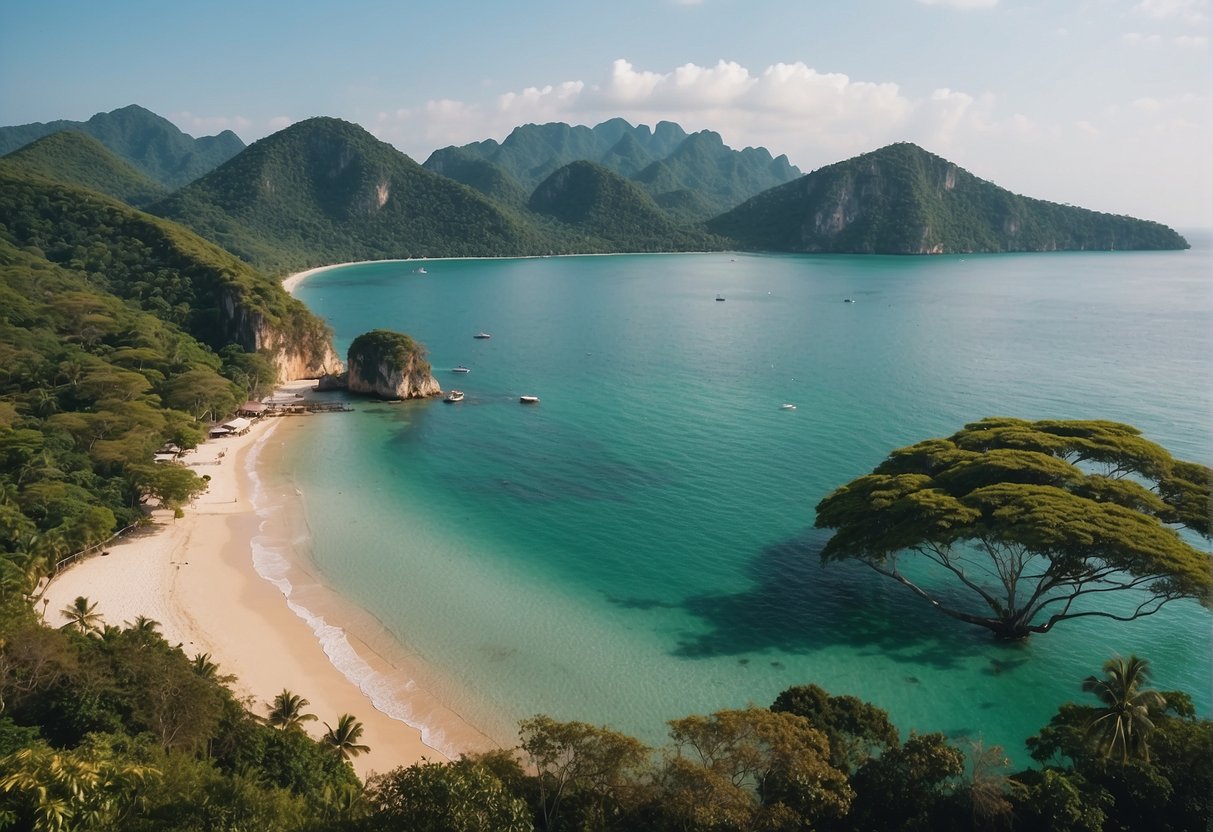
In Thailand, your property investment can be driven by a mix of economic growth and tourism appeal. Here’s how to navigate the investment landscape, from leveraging use cases to understanding regional opportunities.
Buying for Investment vs Personal Use
When considering property investment in Thailand, you have two primary pathways: buying for personal use or for investment purposes. Investing in a condo in major cities like Bangkok or tourist hotspots like Phuket can yield substantial rental income due to high demand. On the other hand, purchasing for personal use also offers you a potential second home in a country known for its vibrant culture and beautiful landscapes.
Board of Investment Privileges
Thailand’s Board of Investment (BOI) offers incentives that could impact your investment decision. These privileges aim to bolster economic growth by attracting foreign investment. They may include tax incentives, easier work permit and visa processes, and support for your investment in Thailand, particularly in designated industries and regions.
Property Investment Regions
- Bangkok: The capital city, an epicenter for economic growth with a robust rental market.
- Phuket: A tourist destination with high rental demand during peak seasons.
Both locales present unique opportunities: Bangkok for its economic pulse and Phuket for its tourist allure. Consider your investment strategy in alignment with these regional dynamics to optimize your property’s profitability. Remember that while owning property can facilitate your stay in Thailand, it doesn’t inherently grant residency—a consideration to factor into your investment plan.
Purchasing Process
Before committing to property ownership in Thailand, understanding the purchasing process is crucial. This includes conducting thorough due diligence, seeking legal guidance, and effectively negotiating to close the deal.
Necessary Due Diligence
When you’re buying property in Thailand, due diligence is a step you cannot afford to skip. It involves verifying the title deed at the Land Department to ensure the seller has clear and legal ownership of the property and checking for any encumbrances or liens. It’s also important to inspect the physical condition of the property and confirm that it meets all zoning and building regulations. This comprehensive check will help safeguard your interests as a buyer.
Engaging a Real Estate Lawyer
Involving a real estate lawyer is essential in the buying process to navigate the complexities of Thai property law. Your lawyer will ensure all documentation is in order, assist in the due diligence process, and can act as an intermediary between you and the seller. Investing in a good legal counsel can avoid future legal issues.
Negotiating and Closing the Deal
Once due diligence is clear, you’ll engage in negotiating the price and terms with the seller. This is where your real estate lawyer can assist in drafting a sales contract that protects your rights. Upon agreement, you’ll usually pay a deposit to secure the property. Finalizing the deal involves signing the sales agreement, transferring the remaining funds, and registering the transaction with the local Land Department. This final step solidifies your status as the new property owner.
Financial Considerations
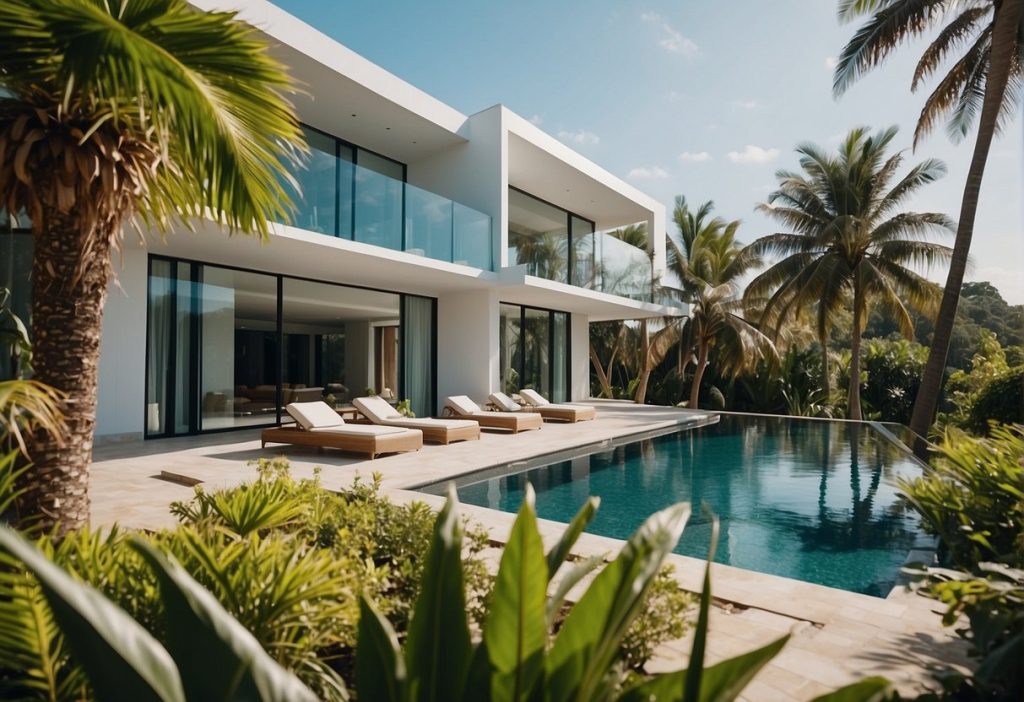
Investing in property in Thailand brings its own set of financial obligations. As a foreign buyer, you need to account for various taxes and fees and understand how currency exchanges can affect your budget.
Understanding Taxes and Fees
Property Taxes and Fees:
When you purchase property in Thailand, you’re responsible for several compulsory charges:
- Transfer Fee: Typically about 2% of the registered value of the property.
- Stamp Duty: In the absence of a business tax, this amounts to 0.5% of the registered value.
- Withholding Tax: If the seller is a company, the rate is a flat 1%, or if the seller is an individual, it’s a progressive rate depending on the appraisal value.
In your budget planning, ensure the inclusion of these taxes and fees to avoid surprises during the acquisition process.
Dealing with Foreign Currencies
Exchange Rates:
- Impact: Fluctuating exchange rates can significantly affect the cost of your property in terms of your home currency.
- Consideration: Engage in prudent financial planning by monitoring exchange rates and possibly using financial instruments to lock in rates.
Understanding the financial landscape when buying property in Thailand will place you in a better position to secure a deal that aligns with your financial expectations and investment goals.
Living in Thailand Post-Purchase
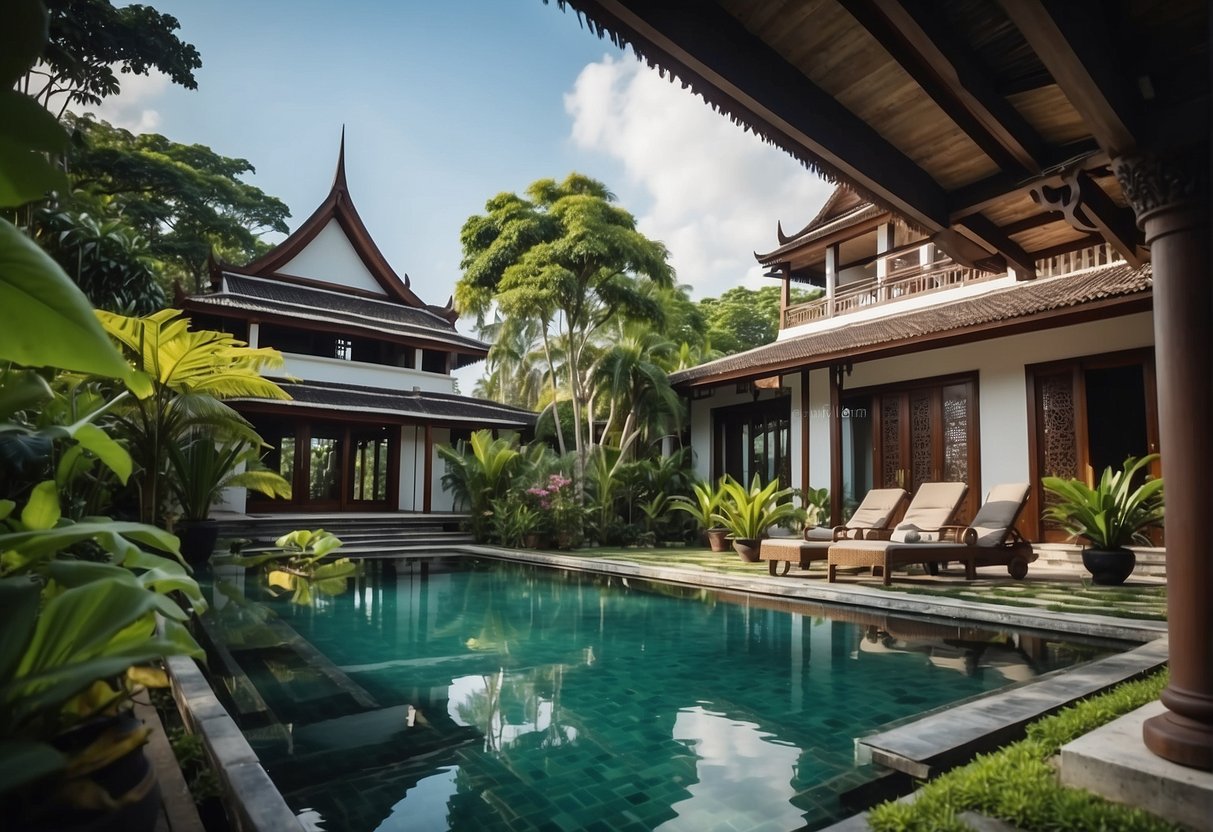
After purchasing property in Thailand, your next steps revolve around securing the right to stay long-term and integrating into the Thai community.
Residency and Long-term Stays
As a foreign buyer, owning property in Thailand does not automatically grant you the right to live in the country indefinitely. To stay long-term, you’ll need to explore various visa options. One option is the 10-year residence permit, available to investors, digital nomads, pensioners, and specialists. This permit not only allows you to stay but comes with the bonus of attractive tax benefits.
Permanent residency is another path but requires a more extensive process and is generally possible after you’ve held a Thai visa for three consecutive one-year intervals. If you’re married to a Thai national, this can facilitate a more straightforward residency process. It’s worth noting that since the COVID-19 pandemic, immigration policies may have adapted, so it’s vital to consult with local authorities or a legal expert for the most current information.
Life and Community Integration
Once you’ve sorted your residency status, integrating into life in Thailand is the next step. As an expat, building a network and making Thai friends can enrich your life and help with adjusting to local customs and culture.
Community integration is pivotal; participate in local events and consider learning the Thai language to foster stronger connections. Expats often join clubs or societies, which can be a source of support and advice.
Given that tourism is a significant part of Thailand’s economy, many communities are accustomed to foreigners, making it easier for you to blend in and feel at home. However, it’s essential to respect local laws and cultural norms, which will help in building trust and acceptance within your new community.
Market Insights and Trends

In exploring Thailand’s real estate landscape, you’ll find that current market trends and the economy greatly influence property prices and the feasibility of purchases. Your understanding of these elements is essential when considering a long-term stay in Thailand through property ownership.
Evaluating the Housing Market
The state of Thailand’s housing market is closely tied to economic performance. With a GDP growth projected around 3.6% for the year 2023, the market is responsive to economic stimuli. You will observe that developers are concentrating efforts on decreasing existing inventory and favoring the launch of low-rise residential projects. When you delve into market specifics, note that:
- Bangkok remains a high-demand area, particularly for condominiums.
- Regions with potential profitability vary, urging a strategic assessment of location before investment.
- The Business Operations Certificate (BOI) provides foreign investors with additional avenues for property investment, under certain conditions.
Future Projections
Looking ahead, industry experts from sources such as CBRE Thailand offer a data-driven analysis suggesting a robust future for Thai real estate. As you consider property acquisition, be wary of the following:
- Patterns suggest a likely increase in leasing activity within the commercial and retail sectors.
- The property market is expected to exhibit price and inventory fluctuations, contingent on factors such as property type and regional characteristics.
- Single-family homes in rural areas are experiencing a surge in demand—a trend to keep an eye on.
Keep these insights in mind as they provide a foundational understanding of what to expect from Thailand’s real estate market, particularly if your goal is to reside in Thailand through property ownership.
Risks and Precautions
When purchasing property in Thailand, it’s crucial to be aware of the risks involved and the necessary precautions you need to take. This can help safeguard your investment and ensure a smoother acquisition process.
Identifying Potential Scams
Due diligence is your first line of defense against potential scams. Before engaging with an estate agent or seller, verify their credentials and track record. Be cautious of deals that seem too good to be true, such as significantly undervalued properties or promises of unrealistically high returns, especially in the context of condotels and other unregulated investments.
- Scams to Watch For:
- Title Fraud: Ensure the seller actually owns the property.
- Fake Agents: Only work with licensed professionals.
- Investment Schemes: Be wary of foreign investment opportunities that guarantee high returns or involve complex ownership structures.
Local Market Understanding and Pitfalls
Gaining a deep understanding of the local property market is essential to avoid common pitfalls. Foreign buyers should be aware of legal restrictions, such as the prohibition on foreign land ownership, and the fact that they can own condominiums under certain conditions. Study market trends to avoid overpaying and consult with a reputable estate agent experienced in dealing with foreign buyers.
- Pitfalls to Avoid:
- Overvaluation: Don’t pay more than the market rate.
- Legal Misunderstandings: Know the limitations of property ownership laws.
- Cultural Missteps: Be aware of local practices and business etiquette.
Additional Considerations
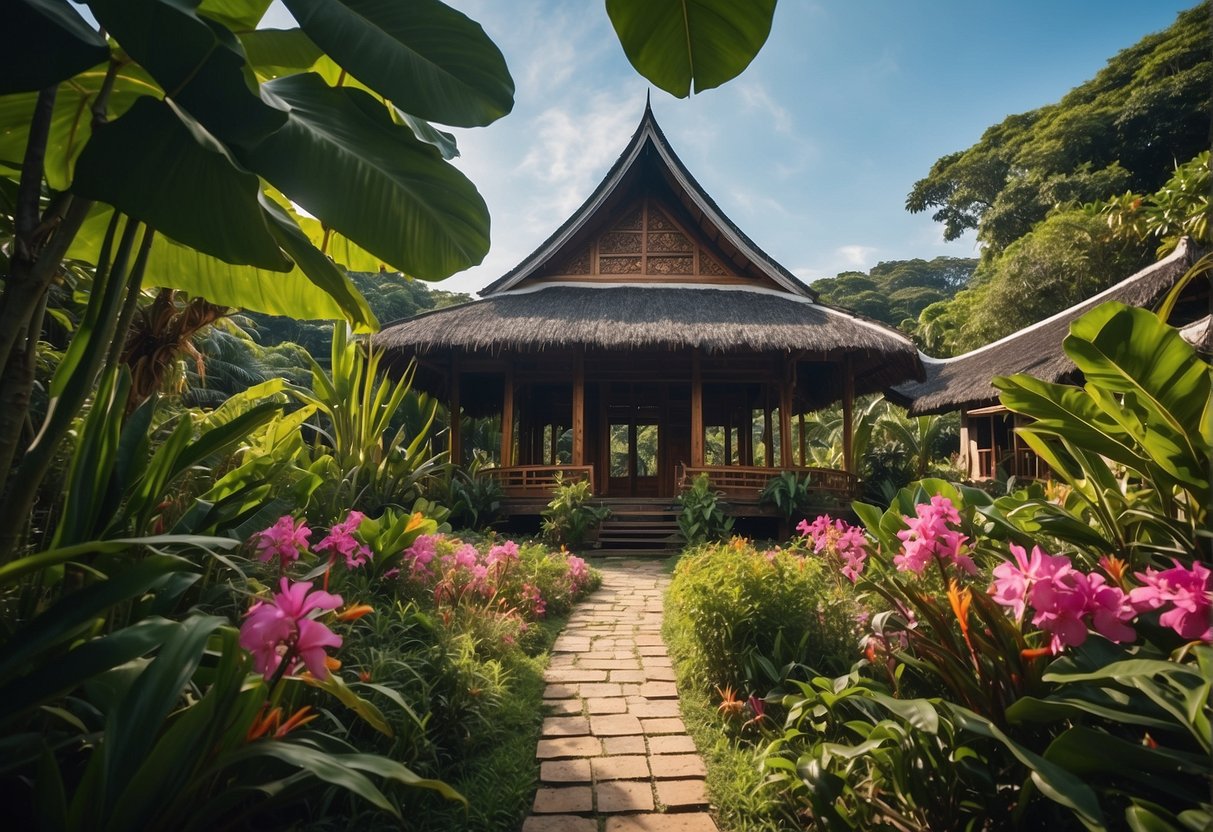
When purchasing property in Thailand, you must navigate cultural intricacies and comply with specific building codes to ensure a smooth acquisition and ownership experience.
Cultural Nuances in Transactions
Thailand’s property market is steeped in local customs that you, as a foreigner, must respect. To successfully purchase property, especially if you’re considering a condominium, which is a more straightforward option for foreigners, understanding these cultural subtleties is crucial. It’s advisable to engage with local lawyers and real estate agents who are well-versed in ‘This is Thailand’ or ‘T.I.T.’ scenarios, a colloquial mantra indicating the unique Thai way of doing things. These professionals can help bridge cultural gaps and facilitate clearer communication.
Building and Renovation Regulations
In Thailand, construction and renovation activities are subject to stringent regulations. Before proceeding with any changes to your property, consider the following:
- Permit Requirements: Secure the necessary building permits from local authorities; failing to do so could lead to significant penalties.
- Quality Standards: Adherence to quality and safety standards set by Thai law is non-negotiable.
- Building Restrictions: Certain zones have restrictions on height and density, which could impact your renovation plans.
Understanding these regulations is vital to avoid legal complications that could affect your ability to stay in Thailand.
Resources for Potential Buyers
When you’re considering purchasing property in Thailand, it’s essential to utilize various resources that will support you through the buying process. These resources can provide crucial information and assistance, ensuring a smoother transition into the real estate market of Thailand.
Real Estate Professionals and Platforms
Thai real estate professionals, including agents and lawyers specializing in property law, are invaluable in guiding you through the complexities of buying property as a non-resident. These experts can help clarify your rights, deal with the necessary paperwork, and explain the nuances of the local market. Engaging a reputable professional is particularly important for Americans and other non-residents, who face certain restrictions in Thai property ownership.
Here are a couple of platforms to consider:
- Property websites: Utilizing platforms like DDproperty and Thailand-Property, you can easily browse available listings and gather insights on the current market trends. These websites are equipped with a wide range of tools to filter and compare properties.
- Professional networks: Interaction with real estate networks, such as the Thai Real Estate Association, can connect you with experienced professionals and up-to-date information on the property landscape.
Government and Legal Resources
The Thai government provides resources to help you comprehend legal obligations and the rights of property buyers. It’s critical to familiarize yourself with these official sources to ensure your investment complies with Thai law.
- Thailand Land Department: The official website and its offices are the primary sources for legal information related to property transactions.
- Legal regulations: You must understand visa regulations and how they relate to property ownership. Owning property does not guarantee extended stay rights, so ensure to explore visa options such as the Non-Immigrant Visa “O-A” (Long Stay) or the Thailand Elite Residence Program.
It is essential to note that owning property does not affect your visa status. You will need to secure the proper visa independently of your property ownership to stay in Thailand.